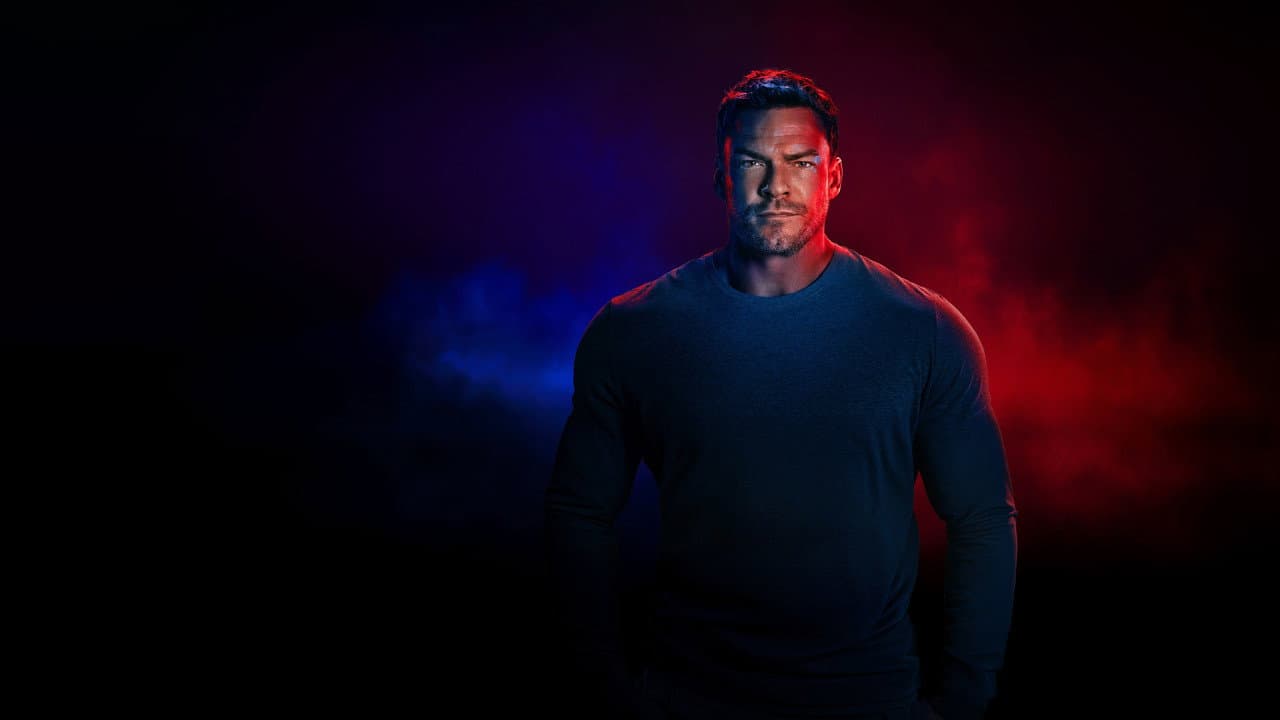
Image via TMDB The Lila Hoth Reveal – A Villain Worth Watching Prime Video’s Reacher season 4 drops the curtain on Lila Hoth, the new femme fatale who spends the entire run...
⏱️ 6 min read · 🌐 Trending
📺 Trailer: REACHER Season 4 - Official Trailer | Prime Video · Prime Video on YouTube
The Lila Hoth Reveal – A Villain Worth Watching
Prime Video’s Reacher season 4 drops the curtain on Lila Hoth, the new femme fatale who spends the entire run pretending to be a vulnerable love interest while secretly steering a conspiracy that reaches from a senator’s office to a shadowy government lab. Agnès Mo, the Indonesian singer‑songwriter‑actress who steps into the role, tells Collider that the character was built “layered” from the start, a mix of seductive charm and a trauma‑bonded past that makes her both dangerous and oddly sympathetic.
The reveal that Lila is not just a one‑note seductress but a trained operative who grew up under the tutelage of Amisha Hoth (played by Anggun) adds a generational twist to the series’ usual lone‑wolf formula. The mother‑figure dynamic—Amisha grooming Lila into a killing machine—explains the sociopathic tendencies Mo describes: a “psychological background” that required months of coaching with John Markland and close collaboration with showrunner Nick Santora. This behind‑the‑scenes work translates into a performance that feels like a chess game, each smile and whispered warning a move toward the inevitable reveal.
What makes Lila stand out among TV villains is the way the writers hide clues in plain sight. In episode three, she lures Reacher into a “sexual tension” scene that feels intimate but is peppered with subtle cues—a flicker of a scar, a tightening of her jaw—that, in hindsight, betray her true nature. The payoff is satisfying because it rewards attentive viewers; you can replay the early episodes and spot the “sprinkles of mystery” Mo mentions, from the line “Be careful, I don’t want anybody else that I’ve dragged into this getting hurt” to the way she controls her volume and posture.
Fans who have followed Reacher since the Alan Ritchson debut will recognize that Lila’s arc is a departure from the series’ usual “big‑guy‑vs‑big‑guy” fights. Instead of a straightforward brawl, the season leans into psychological manipulation, making the eventual showdown feel earned rather than forced. It’s a bold move for a show that has, until now, thrived on physicality, and it signals that Prime Video is willing to let its lead character be out‑maneuvered—at least for a while.
Behind the Blood‑Soaked Finale – Training, Weapons, and Performance
The climax of season 4 is a multi‑day fight that could have been a standalone action short. Mo reveals she spent months mastering the karambit, a curved, claw‑like knife that becomes her signature weapon in the finale. The training regimen was intense enough that she describes the process as “exciting and challenging,” a sentiment echoed by Ritchson when he notes the shift from fighting a “big Dutch villain” in season 3 to confronting a “different type of villain” in season 4.
When the final confrontation arrives, Lila and Amisha unleash a bioweapon derived from a hidden formula stored on a central drive. The stakes are raised dramatically: the Hoths plan to sell the pathogen on the Dark Web, but the intended drop point is a fundraiser hosted by John Sampson—an event tied to his past killing of Putra in Indonesia. The narrative thread that connects Sampson’s history to the Hoths’ revenge adds a layer of personal vendetta that feels more grounded than a generic terrorist plot.
The fight itself is a choreography of knives, water, and sacrifice. Sampson, in a moment of heroic desperation, tackles a suicide bomber and drags him underwater, preventing the bioweapon’s spread. Reacher, bruised and bloodied, is repeatedly stabbed by Lila and Amisha, yet his “unrelenting will” carries him through. The final image—Reacher injecting Lila with the remaining traces of the toxin—flips the predator‑prey dynamic on its head and gives the audience a visceral sense of poetic justice.
Beyond the spectacle, the series uses the fight to underscore a thematic shift. Earlier seasons ended with Reacher walking away, guilt‑free. This time, the closing scene on a subway train shows him offering half his sandwich to a struggling woman, a quiet gesture that reflects the weight of his recent failures (notably his inability to save Anna). It’s a subtle reminder that even a near‑invincible protagonist carries human mistakes, a nuance that deepens the character’s relatability.
R.J. Decker Season 2: Florida’s Weirdest Crime Drama Kicks Off
ABC’s R.J. Decker returns for a second season that leans even further into the “inherent weirdness of Florida” than its debut. The premiere opens with a flash‑mob‑style musical number in downtown Fort Lauderdale, featuring several Dancing With the Stars alumni. While the choreography is undeniably catchy, the routine doubles as a distraction for a serial pickpocket—played by “Bachelor” star Joey Graziadei—who is promptly apprehended by R.J. (Scott Speedman).
The episode’s true chaos arrives with the introduction of the “Bottomless Bandits,” a gang of pants‑less bank robbers who make a spectacle of their heists. Their antics draw the attention of FBI Agent Winwood (Sasheer Zamata), whose lingering tension with Mel (the series’ tough‑as‑nails detective) is amplified by a past hookup that ended badly. The personal grudge adds a layer of bureaucratic friction that feels more realistic than the usual “law‑enforcement vs. criminals” trope.
Adding to the tangled web is Stevie, an old prison buddy of R.J.’s (Jordan L. Jones). Stevie, trying to stay clean, is blackmailed into working for the Bottomless Bandits, forcing R.J. into a moral dilemma: rescue his friend or let the criminals run unchecked. The show resolves this by having Stevie agree to a 90‑day rehab program, a compromise that feels both convenient and oddly hopeful for a series that often revels in cynicism.
Meanwhile, Emi (the series’ female lead) remains in the shadows three months after her father’s murder. Catherine, a surprisingly empathetic character, offers her a non‑judgmental ear and nudges R.J. to reach out. Their conversation ends not with a romantic reunion but with a blunt “friends” exchange, a realistic take that subverts fan expectations for a tidy love‑story resolution.
Speedman’s interview with TVLine highlights the show’s willingness to blend absurdity with genuine emotional stakes. The flash mob, the pant‑less robbers, and the FBI‑agent love‑triangle all coexist with moments of genuine pathos, making season 2 a roller‑coaster that feels intentional rather than haphazard. For viewers who enjoy crime dramas that don’t take themselves too seriously, this season delivers a fresh mix of spectacle and grounded character work.
Netflix’s New War Action: The Ministry of Ungentlemanly Warfare Arrives
Netflix adds another heavyweight to its action roster on September 16, 2026: The Ministry of Ungentlemanly Warfare. Directed by Guy Ritchie, the film pairs two of today’s most recognizable action stars—Henry Cavill and Alan Ritchson—in a World War II‑set adventure loosely based on the real Operation Postmaster and the Special Operations Executive’s 1942 mission.
While the theatrical run underperformed relative to expectations, the Netflix debut could give the movie a second wind. Ritchie’s signature kinetic style, combined with Cavill’s chiseled heroics and Ritchson’s gritty physicality, creates a formula that aligns perfectly with the platform’s audience, which consistently favors high‑octane, historically flavored blockbusters. The film’s premise—a fictionalized take on a covert operation—offers enough historical intrigue to attract war‑movie buffs while still delivering the over‑the‑top set pieces that Ritchie fans crave.
From a strategic standpoint, Netflix’s decision to slot the film into its September slate makes sense. The platform’s data shows a spike in viewership for war‑and‑action hybrids during the fall, a period when audiences are primed for binge‑worthy, adrenaline‑pumping content. Adding Cavill and Ritchson to the mix also serves a dual purpose: it reinforces the streaming service’s commitment to star‑driven projects and provides a bridge for fans of the Reacher series who have grown attached to Ritchson’s on‑screen presence.
Critically, the film’s loose adaptation of real events may raise eyebrows among purists, but the broader audience is likely to appreciate the “very, very loose” approach as a vehicle for entertainment rather than a documentary. The combination of Ritchie’s stylized direction, Cavill’s charisma, and Ritchson’s rising star power could make the movie a long‑term staple in Netflix’s catalog, much like other action titles that have found a second life on streaming after modest box‑office returns.
For global streamers, the arrival of The Ministry of Ungentlemanly Warfare underscores a continuing trend: big‑budget action films are increasingly finding their home on subscription platforms, where they can reach a worldwide audience without the pressure of opening‑weekend box‑office numbers. It’s a win‑win for Netflix, the talent involved, and the fans who crave high‑stakes, well‑choreographed set pieces on their couch.
Sources & references
- Primary source: Collider — ‘Reacher’ Star Agnez Mo Breaks Down Her Brutal Season 4 Finale Fight With Alan Ritchson
- TVLine — R.J. Decker Season 2 Premiere: Scott Speedman Breaks Down R.J. And Emi's 'Weird' Reunion, The Return Of An Old Flame, And More — Grade It!
- ScreenRant — Reacher Season 4 Ending Explained
- ScreenRant — Alan Ritchson & Henry Cavill's Guy Ritchie War Movie Officially Gets The Biggest New Streaming Home
Facts are credited to the sources above. Images and trailers belong to their respective owners and are used for editorial commentary.
Email edition
Liked this? Get the next one by email.
One concise edition a week: the reviews, trailers and watch guides worth your time.
Written by
The pracandyFlix Desk
pracandyFlix editorial contributor covering movies, streaming and the craft behind popular storytelling.
Comments
- No comments yet. Be the first.