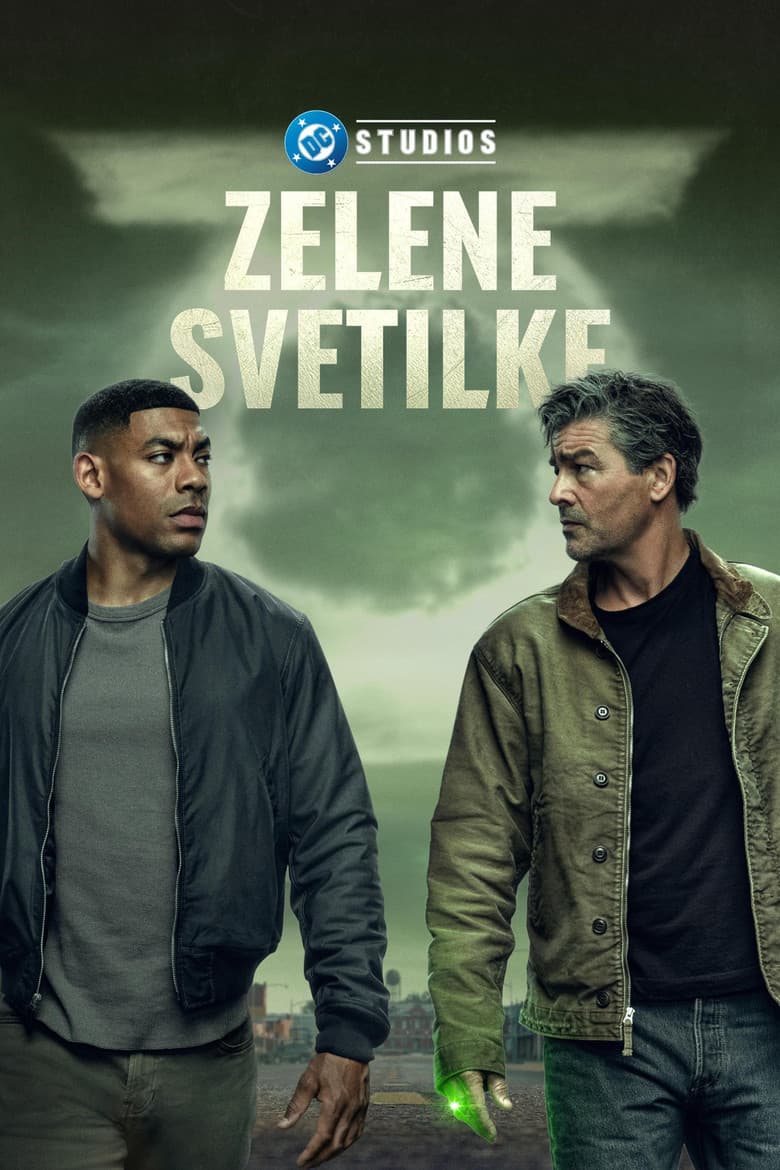
Image via TMDB Why Episode 6 Matters HBO’s Lanterns just dropped Episode 6, and the shift from 2016‑era Rushville drama to a 2026‑present‑day showdown feels like a seismic pivot....
⏱️ 5 min read · 🌐 Trending
📺 Trailer: Lanterns | Episode 7 Preview | HBO Max · HBO Max on YouTube
Why Episode 6 Matters
HBO’s Lanterns just dropped Episode 6, and the shift from 2016‑era Rushville drama to a 2026‑present‑day showdown feels like a seismic pivot. The episode not only hands the power ring to Guy Gardner but also thrusts John Stewart into a new civilian life as an architect of panic‑room cities. That combination of personal revenge, corporate ambition, and a lingering ghost of Hal Jordan is the kind of narrative gamble that makes a series worth dissecting. It caught my eye because it finally forces the show to answer the question it’s been teasing since the pilot: what happens when the Lanterns stop being heroes and start being… builders?
What Episode 6 Actually Shows
In the present‑day timeline, John Stewart (Aaron Pierre) has traded his intergalactic badge for a pair of blueprints. He now runs “Stewart Brothers,” an architectural firm that specializes in city‑wide panic rooms—structures designed to protect entire populations from alien invasions or super‑villain attacks. The firm’s flagship project is a massive military compound, a nod to the series’ ever‑present threat of extraterrestrial warfare. Stewart’s brother Marcus is his business partner, and together they’ve turned John’s battlefield experience into a lucrative, if morally ambiguous, enterprise.
The episode also re‑introduces Hal Jordan (Kyle Chandler) in a way that feels both inevitable and infuriating. After being stripped of his ring and spending a decade in prison, Hal resurfaces in Rushville, now living under the watchful eye of his mother, Nicole Ari Parker’s character—who, in a surprising turn, is referred to by John as “Bernadette.” The mother‑son dynamic is deliberately cold; John calls her “Bernadette” to keep emotional distance, underscoring how far he’s drifted from his former mentor.
When John finally tracks Hal to a diner, the reunion is anything but cathartic. Hal laughs at John’s demand for an apology, revealing that the whole “call from his mother” was a ruse to force a confrontation. “I took the fall; I spent the time, we’re square,” Hal says, only to be met with John’s blunt retort: “No, you fell, and a lot of people got killed.” The exchange crystallizes the episode’s central theme—responsibility versus redemption—and sets the stage for a showdown that could finally resolve the lingering mystery of Rushville’s massacre.
Meanwhile, the Green Lantern ring has found a new bearer: Guy Gardner (Nathan Fillion). The series has hinted at this transition since the early episodes, but Episode 6 confirms it with a visual cue—a beacon in the middle of Rushville that mirrors Batman’s signal, a tongue‑in‑cheek nod to the comic book lore. Gardner’s ascension isn’t just a plot device; it signals a shift in narrative focus from Hal’s fallibility to a character who can swing between comedy and seriousness, as co‑creator Chris Mundy emphasized in his interview.
Behind the Scenes: Tone, Music, and Guy Gardner’s Upgrade
Balancing the gritty, investigative vibe of True Detective with the high‑concept mythology of the Green Lantern mythos has been a tightrope act for the showrunners. Co‑creator Chris Mundy explained that the first five minutes of the series dump “everything” on the viewer—Hal’s interview, the ring’s introduction, even a borderline child‑abuse scene—before the narrative deliberately slows down to ground the story in the dust‑soaked streets of western Nebraska. This pacing choice allows the series to layer comic‑book spectacle atop a noir‑ish foundation, a formula that feels daring but occasionally uneven.
One of the most memorable tonal beats in Episode 6 is the jukebox moment where Hal selects “Brand New Key” to start a bar fight. Mundy revealed that the song choice was a collaborative text‑message decision between himself, Damon Lindelof, and Tom King. The spontaneity of that exchange translates on screen as a brief, absurdist flash that undercuts the episode’s heavier moments. It’s a reminder that the show is willing to let its characters be ridiculous, a trait that aligns perfectly with Nathan Fillion’s comedic chops as Guy Gardner.
Mundy also discussed the creative liberty taken with Gardner’s character. While James Gunn’s version in Superman leaned heavily into slapstick, Lanterns pushes Gardner “one step further,” allowing the actor to dial the comedy up or down as the story demands. This flexibility is crucial because Gardner’s ring‑bearing status now serves as a narrative counterpoint to John’s architectural ambitions and Hal’s begrudging redemption arc. The decision to give Gardner the ring, rather than letting John or Hal retain it, feels like a strategic move to keep the series’ tonal balance in check.
What This Means for the Series’ Future
From a fan‑perspective, the episode’s emphasis on John’s civilian life and Gardner’s ring could be a double‑edged sword. On one hand, the show finally gives the audience a concrete answer to the “who gets the ring?” question that has haunted viewers since the pilot. On the other, it sidelines Hal Jordan—the iconic Green Lantern most viewers tuned in for—in favor of a storyline that leans heavily on corporate intrigue and architectural design. That trade‑off may alienate purists who expected a Hal‑centric redemption arc.
Nevertheless, the move could be a savvy long‑term play. By establishing a world where Green Lanterns operate both as interstellar peacekeepers and as architects of humanity’s defensive infrastructure, Lanterns opens up a broader narrative playground. Future episodes could explore how panic‑room cities fare against actual alien invasions, or how Gardner’s comedic approach to heroism clashes with John’s pragmatic, profit‑driven mindset. The series’ willingness to blend genres suggests that the creators are not afraid to reinvent the mythos, a quality that could keep the show fresh across multiple seasons.
Co‑creator Mundy hinted at the possibility of a return after Season 1, implying that the story may not be confined to the Rushville timeline. If the series continues to weave present‑day corporate drama with flashbacks to the 2016 investigation, it could sustain a compelling dual‑timeline structure that keeps both mystery lovers and superhero fans engaged. The key will be maintaining the delicate balance Mundy described: grounding the story enough to feel real, then layering on the fantastical elements without tipping into parody.
For now, viewers can catch all of this drama on HBO (or HBO Max, depending on your region). Episode 6 is already streaming, so if you’ve been waiting to see how John’s panic‑room empire collides with Hal’s unapologetic bravado, the episode is ready for your binge‑watching schedule. Keep an eye on the show’s official channels for any announcements about renewal or additional seasons—Mundy’s comments suggest the creators have more chapters planned, and the groundwork laid in Episode 6 could be the springboard for whatever comes next.
Sources & references
- Primary source: Collider — 'Lanterns' Creator Officially Reveals His Long-Term Plan for HBO's Gritty Sci-Fi Detective Series
- Collider — HBO's 'Lanterns' Officially Travels to 2026 With a Bonkers Resurrection | Review
Facts are credited to the sources above. Images and trailers belong to their respective owners and are used for editorial commentary.
Email edition
Liked this? Get the next one by email.
One concise edition a week: the reviews, trailers and watch guides worth your time.
Written by
The pracandyFlix Desk
pracandyFlix editorial contributor covering movies, streaming and the craft behind popular storytelling.
Comments
- No comments yet. Be the first.